Understanding the Importance of Idle Relearn Procedures for Optimal Engine Performance
Feb 06, 2026
Modern electronic fuel injection systems are feats of engineering, constantly adjusting timing, fuel injection, and air-to-fuel ratios to manage modern emission controls and adjust to various conditions to maintain an orderly idle speed. The system and process that handles this intelligence is known as learning or relearning, representing the memory loss an engine can undergo, failing to manage an idle speed. This is essentially why the relearn procedures matter, showing that computerized brains can always keep your engine running at its best.
What is an Idle Relearn Procedure?
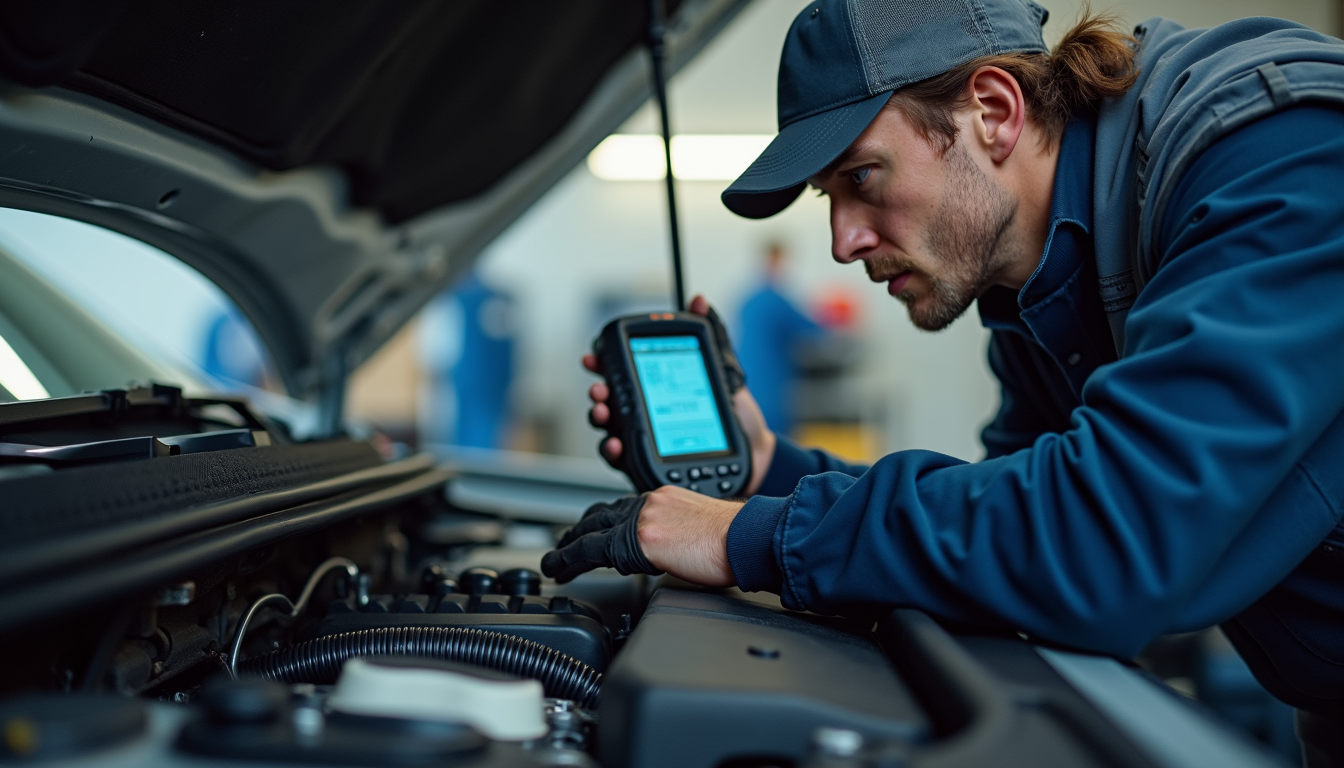
An idle relearn procedure is a process that allows the engine control module (ECM) to recalibrate the electronic throttle body's minimum throttle position. This ensures the ECM has accuracy over how much air enters the engine at idle speeds, preventing issues like high idle, low idle, or engine stalling.
The procedure is perfect for modern vehicles with electronic throttle bodies, mapping out a specific set of rules and routines for the vehicle's engine control module to handle what normally would be a mechanical adjustment.
Why Idle Relearn Procedures Are Necessary
Modern engines develop a routine for physical changes over months or miles driven. The ECM adapts to modifications like carbon buildup on components by adjusting fuel delivery and throttle positions. When you replace or bypass parts, the ECM loses this adaptive data.
Some common circumstances that trigger a relearn:
-
Cleaning of a dirty electronic throttle body
-
Disconnecting or replacing the battery
-
Replacing or installing an ECM or an update version
-
Replacing the engine itself
Failing to perform the idle relearn in these instances can cause:
-
Rough/unstable idle
-
Engine stalling
-
Decreased fuel economy
-
Check Engine light illumination
-
Poor drivability
How the Idle Relearn Procedure Works
The exact steps vary by vehicle make and model, but the general pattern involves:
-
Ensuring the engine is at operating temperature; opening the hood etc.
-
Resetting the historical adaptions using a scan tool or identifying standard manual routines.
-
Keeping the transmission in neutral or park to isolate components.
-
Allowing the engine to idle for a specified period, performing specific drive cycles, or moving the steering wheel or gear lever.
-
Performing any required throttle pedal movements or other manual maneuvers specified by the manufacturer.
Generalizing the dynamic parameters is a basic feature for standard cars, yet the exact commands for procedures vary significantly to properly establish a stable balance.
Practical Examples of Idle Relearn Impact
Example 1: Throttle Body Cleaning After cleaning the throttle body, more air can flow past the throttle plate. Without relearning, the engine might idle too high, high-idling or surging, because the ECM is still compensating for historical carbon buildup that no longer exists.
Example 2: Battery Replacement Disconnecting the battery clears the ECM memory. When the battery is reconnected, the engine may idle poorly or stall. Conducting an idle relearn procedure helps the ECM regain its optimal baseline settings.
Example 3: Sensor Replacement Replacing a sensor like the mass air flow or oxygen sensor alters data to the ECM. Moving forward without a relearn means the ECM won't use the new data effectively to map out the ideal engine space.
Tips for Performing Idle Relearn Procedures
-
Consult your vehicle's service manual for specific steps.
-
Use a diagnostic scan tool if required for your vehicle.
-
Ensure the engine is fully warmed up before starting.
-
Avoid turning on electrical accessories during the relearn process.
-
Be patient and follow timing instructions precisely to avoid starting over.
-
Seek professional help from a qualified mechanic if needed.
Benefits of Proper Idle Relearn
Performing regular idle relearn procedures ensures:
-
Smooth and stable engine idle
-
Reduced risk of stalling
-
Optimal fuel efficiency
-
Lower emissions
-
Improved overall engine performance
Take the time to handle these procedures correctly to ensure your vehicle runs smoothly and reliably!
Stay connected with news and updates!
Join our mailing list to receive the latest news and updates from our team.
Don't worry, your information will not be shared.
We hate SPAM. We will never sell your information, for any reason.