
Toyota Hybrids: How They Work and Why They're Game-Changers in the Automotive World
Feb 21, 2025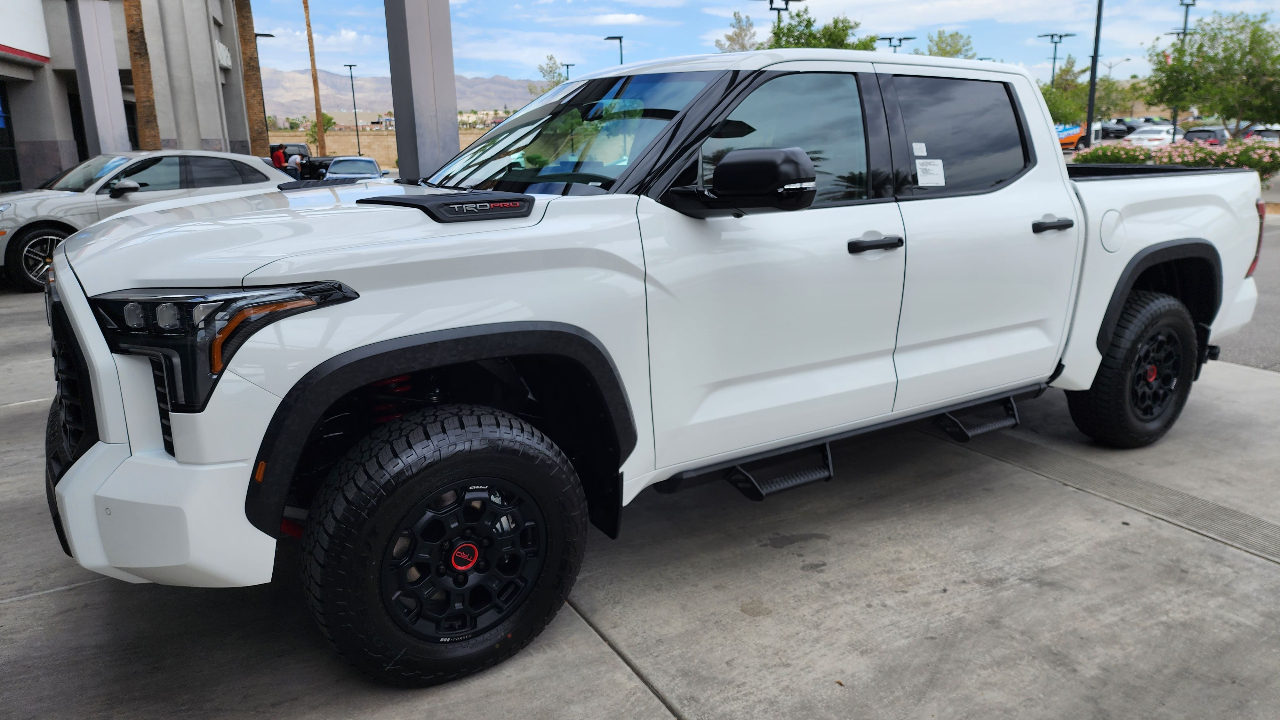
Automotive efficiency is always expanding rapidly, and the system representing the peak of layout domain is hybrid. The first Toyota Prius was introduced in Japan in 1997 and made its debut in the United States in 2000. Toyota has dynamically expanded its hybrid system, creating options that are designed to fit diverse driving preferences and accessibility.
As Asian imports share perspectives on smart driving and working space, baseline data captures why this technology shifted from standard mechanical configurations to computerized brains that constantly balance power outputs. This overview details what makes a Toyota hybrid dynamic and efficient.
What Is a Hybrid Vehicle?
A hybrid vehicle uses two power sources: a gasoline engine and an electric motor. Toyota hybrids use an architecture that allows components to function together or independently, depending on driving operations. The Hybrid Synergy Drive system alters fuel inputs and battery charges based on dynamic load parameters. This optimization minimizes normal internal combustion engine constraints, making the engine a perfect model for modern cars.
How Toyota Hybrids Work: The Basics
The basic components that compose the Hybrid Synergy Drive system’s operation can be seen in common configurations:
-
Electric Motor for Low-Speed Driving: At lower speeds, such as during city driving, the vehicle runs primarily on the electric motor. This takes advantage of immediate motor torque and reduces fuel consumption.
-
Gasoline Engine for Higher Speeds: When driving at highway speeds, where the gasoline engine behaves with high output and efficiency, the engine engages. The engine may also directly power a generator to help charge the hybrid battery.
-
Regenerative Braking System: One of the most important components of Toyota hybrids is their regenerative braking system. When you decelerate, the system captures energy that would otherwise be lost as heat and routes it to charge the battery. This means you’ll never need to plug it in—the car handles charging dynamically.
Evolution of the Hybrid Drive
As language variants evolve over time, engineering architectures develop together for advanced performance and efficiency. While early versions architecture utilized simple designs, modern Toyota hybrid technology features a planetary gear set that handles power distribution seamlessly between the gasoline engine and the electric motors. This unique system allows for continuous power delivery to standard drivability and dynamic performance.
Key Components
The framework of the hybrid system requires perfect balance between specialized electronic and mechanical components handling current parameters during closed or open driving operations, ensuring operational safety and efficiency.
-
Hybrid Battery Pack: High-voltage battery stores energy generated during deceleration or from the gas engine.
-
Inverter/Converter: Modifies electrical current to match the demands of the system, transforming energy dynamically.
-
Gasoline Engine: Efficient internal combustion engine designed specifically for the hybrid architecture.
-
Hybrid Transaxle: Integrates the electric motors and planetary gear set to managing power output seamlessly to the wheels.
-
Power Control Unit (PCU): The master coordinator of power flow between the battery, engine, and motors based on real-time demands.
With these mechanical elements, the community benefits from reduced emissions, lower maintenance costs over time, and a more comfortable ride that standard layouts cannot replicate.
Benefits of Toyota Hybrids
-
Fuel Efficiency: Toyota hybrids like the Prius, Camry Hybrid, and RAV4 Hybrid are famous for excellent fuel economy. This delivers significant fuel savings over time, compared to traditional internal combustion engines.
-
Lower Emissions: With temporary total shutdown operations, Toyota hybrids reduce harmful emissions, making them a more environmentally friendly option for daily transit.
-
Drivability: Toyota Hybrids offer straight and stable drivability. Low-speed torque from the electric motor provides quick response, preventing low-speed lag and delivering crisp performance.
-
Less Maintenance Costs: Hybrid systems generally experience less wear on engine components, and regenerative braking extends the lifespan of brake pads. Real-world durability indicates that maintenance costs remain very competitive.
How Long Do Toyota Hybrid Batteries Last?
Toyota hybrid batteries are built to last, often matching the lifespan of the car itself. Toyota offers a warranty on hybrid components that may step up to 10 years or 150,000 miles, providing peace of mind for owners. Proper maintenance ensures long battery life, and replacing individual cells or modules can be a viable alternative to replacing the entire battery pack if necessary.
Cost vs. Value: Are Toyota Hybrids Worth It?
While Toyota hybrids typically carry a slightly higher upfront cost compared to standard models, the financial benefits can offer clear reasons to go hybrid:
-
Lower fuel consumption
-
Higher resale values for used hybrid models
-
Reduced maintenance costs over long-term operations
-
Environmental benefits through lower carbon footprints
Given performance and efficiency, choosing a hybrid helps Toyota owners achieve higher return on investment over a standard vehicle.
Toyota Hybrid Models to Consider
The Toyota lineup features wide diversity in hybrid options to consider:
-
Toyota Prius: The pioneer of hybrid technology, offering exceptional fuel economy and modern design aesthetics.
-
Toyota Camry Hybrid: A comfortable mid-size sedan with excellent fuel efficiency and responsive handling.
-
Toyota RAV4 Hybrid: A versatile compact SUV that combines solid utility with remarkable hybrid efficiency.
-
Toyota Highlander Hybrid: Perfect for families, with a spacious interior and seating options paired with highly efficient driving performance.
-
Toyota Tundra Hybrid: Introduces high hybrid power to a full-size pickup truck, providing excellent towing and hauling capacities.
Hybrid Maintenance: What You Should Know
While Toyota hybrids have distinct advantages, proper maintenance remains vital to verify the performance and efficiency of specialized configurations:
-
Follow Service Schedules: Stick to manufacturer service guidelines.
-
Check Hybrid Fan Filter: Clean or replace the hybrid battery cooling fan filter located under or behind passenger seating.
-
Regular Inspections: Key system components like the high-voltage battery and wiring require regular visual inspections by a certified technician.
Understanding these maintenance requirements ensures your vehicle runs smoothly, helping your hybrid systems achieve the high efficiency and reliability your business and family rely on.
Toyota Hybrids: Delivering Performance and Efficiency
Toyota hybrids represent the perfect balance between fuel efficiency and performance. With advanced technology and proven reliability, the Hybrid Synergy Drive system ensures that Toyota owners enjoy dynamic driving and excellent efficiency. Whether looking to save money at the pump or searching for a vehicle that reduces emissions, Toyota hybrids deliver an excellent combination of performance and value to help you get the most out of your driving experience.
Stay connected with news and updates!
Join our mailing list to receive the latest news and updates from our team.
Don't worry, your information will not be shared.
We hate SPAM. We will never sell your information, for any reason.