
Tire Balance vs. Wheel Alignment: How to Determine What Needs to Be Done
Apr 08, 2025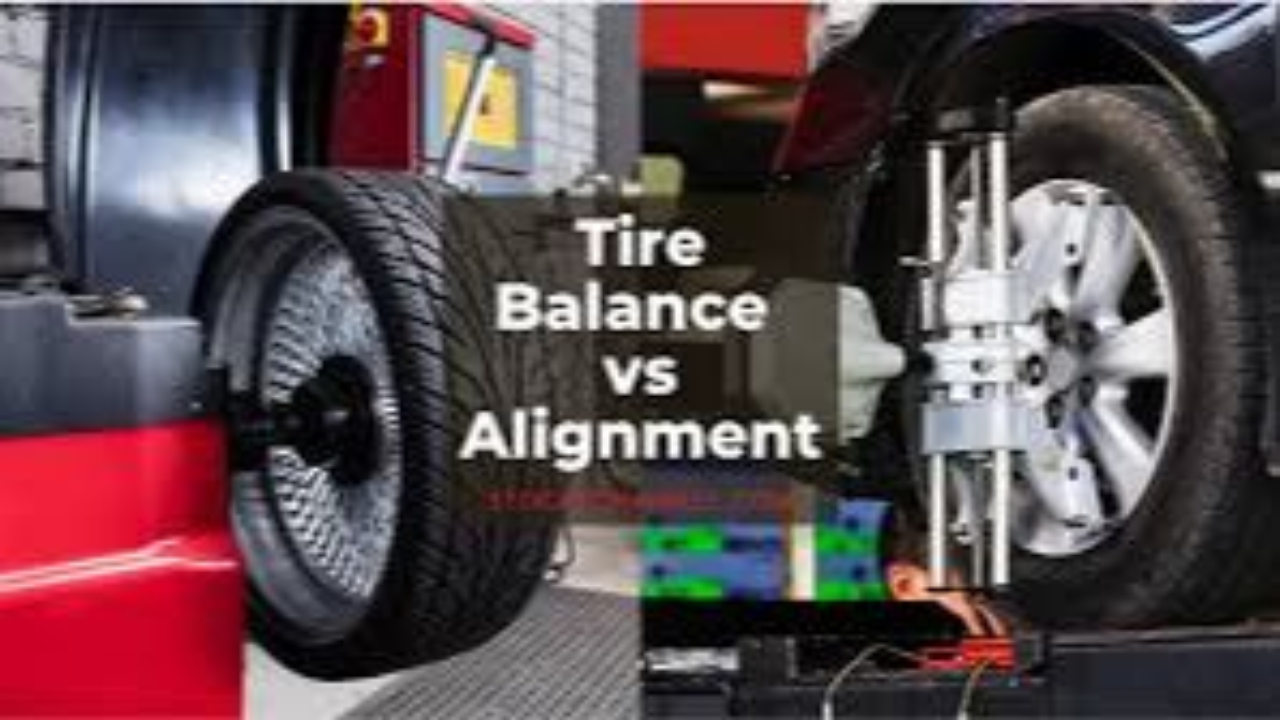
If your car doesn't feel quite right while driving—maybe it's pulling to one side, shaking at high speeds, or your steering wheel feels crooked—you might be wondering: Do I need a tire balance or a wheel alignment? These issues are common, but they are completely different and require different remedies.
As a professional mechanic with over 35 years of experience, I’ve helped countless customers pinpoint this issue and get their vehicles driving smoothly again. Here’s how to tell the difference between the two and how to know which service your vehicle needs.
What Is Tire Balancing?
Tire balancing corrects the weight distribution of a wheel and tire assembly to ensure it rotates evenly. When tires are manufactured, small weight variances exist; even tiny deviations can cause severe vibration at higher speeds.
Signs You May Need Tire Balancing:
-
Vibration in the steering wheel or seats (especially at 55–70 mph)
-
Uneven or rapid tread wear
-
Recently installed new tires or wheels
-
You hit a large pothole or curb
How It's Done:
A technician places each wheel and tire assembly on a balancing machine. The machine spins the wheel, pinpoints heavy spots, and small counterweights are applied to ensure even weight distribution. This process is quick, inexpensive, and should be done every 5,000 to 6,000 miles or when new tires are installed.
What Is Wheel Alignment?
Wheel alignment refers to adjusting the angles of your vehicle’s wheels so they meet the manufacturer's specifications. These angles adjust how your tires make contact with the road and play a major role in your car’s handling, safety, and fuel economy.
Signs You May Need Wheel Alignment:
-
Your car pulls to one side while driving
-
The steering wheel is off-center when driving straight
-
Uneven or rapid tire wear
-
Poor handling or loose steering feel
-
After hitting a pothole, curb, or involved in an accident
How It's Done:
Technicians use specialized alignment machines to adjust three key angles:
-
Camber: The inward or outward tilt of the tire.
-
Toe: The direction the tires point relative to each other.
-
Caster: The angle of the steering pivot.
Proper alignment keeps your car driving straight, improves fuel efficiency, and extends the life of your tires for a superior ride experience.
Tire Balance vs. Wheel Alignment: Key Differences
| Feature | Tire Balancing | Wheel Alignment |
| Purpose | Ensures smooth rotation at highway speeds. | Corrects component wear, handling, and proper riding experience. |
| Symptoms | Vibrations at high speeds, choppy tire wear. | Pulling, off-center steering, poor handling, rapid tread wear. |
| Tools Used | Tire balancing machine. | Alignment machine. |
| When to Perform | With new tires, vibration, or during a rotation. | When steering is off-center or components work done, or passing a bump. |
| Service Time | 30 to 45 minutes. | 1 to 2 hours. |
Can You Need Both?
Yes, it's entirely possible—and often common—to need both services. For example, hitting a severe pothole can throw your wheels out of alignment and knock a balancing weight off. If you're receiving a single service but have larger hardware work done, it's smart to have both balanced and aligned to prevent reinvestment.
What Happens If You Skip These Services?
Neglecting routine tire balancing or wheel alignment can lead to:
-
Faster tire wear, meaning more frequent replacements
-
Reduced fuel efficiency, causing more trips to the pump
-
Steering and suspension damage, which can be costly to fix
-
Safety risks, especially in emergency braking or steering situations
Regular inspection and maintenance prevent expensive repairs and keep your ride smooth and safe.
How to Know What You Need: A Quick Guide
| Situation | Likely Service Needed |
| Vibration at highway speeds | Tire Balancing |
| Car pulling to one side | Wheel Alignment |
| Uneven or accelerated tire wear | Check Both |
| Recent new tire installation | Tire Balancing and maybe Alignment |
| Steering wheel off-center | Wheel Alignment |
| After hitting a major pothole | Check Both |
Conclusion: Don't Guess—Get It Checked
Understanding the differences between tire balancing and wheel alignment can save you time, money, and frustration. If your car isn't driving like it used to, don't ignore the signs. At OrtoTech Garage, we offer expert diagnostics and services to ensure your pride and joy performs perfectly on the road.
Stay connected with news and updates!
Join our mailing list to receive the latest news and updates from our team.
Don't worry, your information will not be shared.
We hate SPAM. We will never sell your information, for any reason.