
How Much Money Do Auto Mechanics Really Make? Insights from the Industry
Sep 20, 2024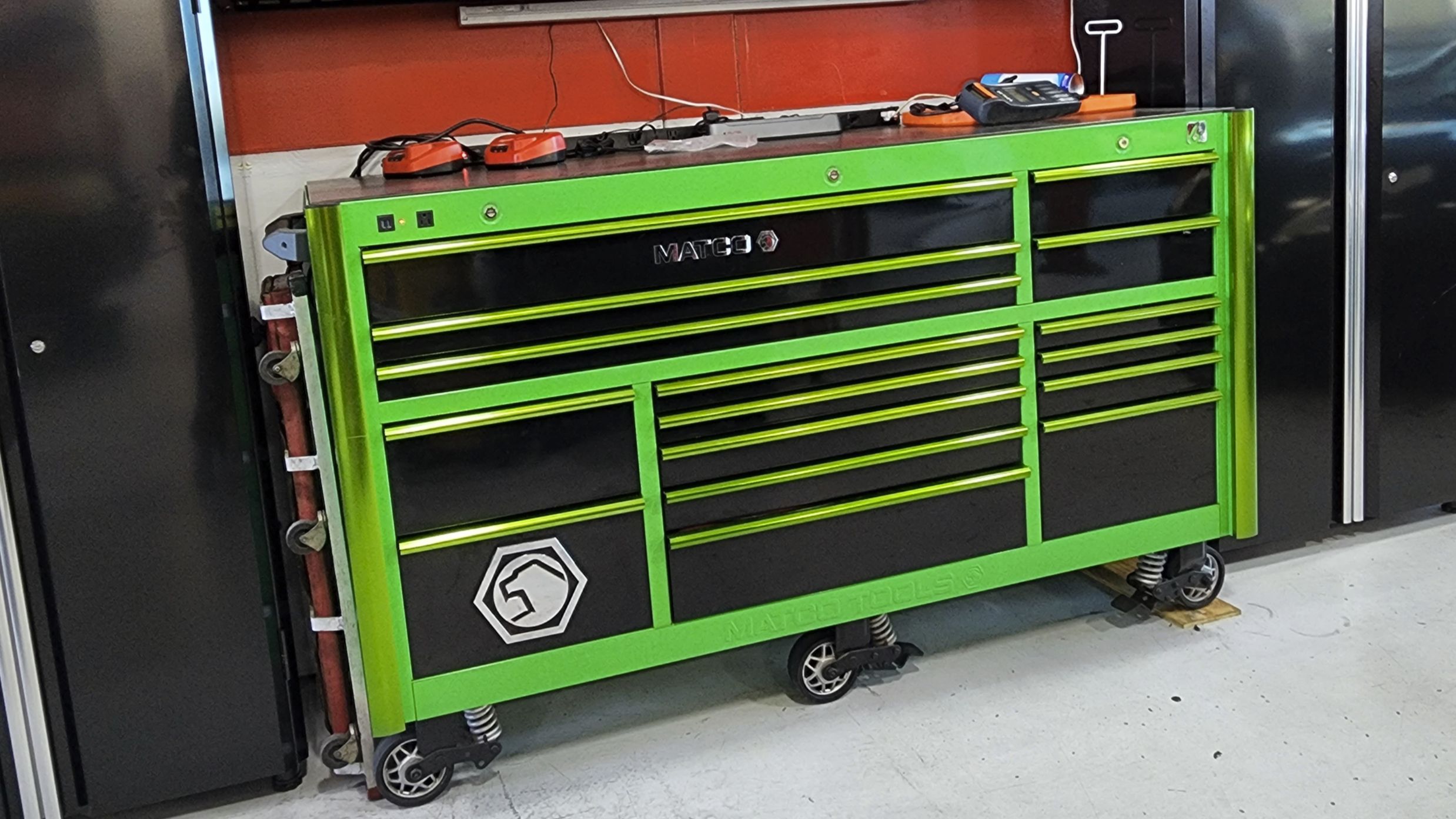
If you're considering a career as an automotive technician, or if you're just curious about how the industry works, one of the first questions you likely have is: How much do auto mechanics really make?
As a professional mechanic with over 35 years of experience, I’ve seen firsthand how earning power shifts across the trade. Earning a solid living in auto repair is absolutely possible, but it depends on factors like experience, certification levels, location, and the type of shop you work in. This post will break down typical auto repair mechanic salaries, explore how pay structures function, and look at standard earnings across the industry.
[INSERT IMAGE HERE] (Note: Upload that high-quality image of the massive green rolling toolbox from your Wix folder right here.)
Factors That Influence Mechanic Earnings
A technician's paycheck isn't just determined by a flat industry baseline. Several primary factors influence your earning capability:
1. Experience Level
-
Entry-Level: Technicians just beginning their careers or starting with a basic apprenticeship typically earn entry-level wages as they build foundational skills. Expect starting ranges around $30,000 to $45,000 annually.
-
Mid-Level: Technicians with 3 to 5 years of experience, a sturdy tool collection, and several standard certifications often see substantial salary bumps, averaging $50,000 to $70,000 per year.
-
Master Technicians: Seasoned professionals with 5+ years of experience, advanced diagnostic capabilities, and master certifications (like ASE Master Technician status) command top tier wages, regularly earning anywhere from $80,000 to $100,000+ per year, with top earners making even more.
2. Certifications
Earning credentials like ASE (Automotive Service Excellence) certifications acts as a direct pathway to higher pay. Many employers offer immediate hourly wage increases for each ASE certification you pass. For example, an ASE Certified Master Technician can easily command a salary of $70,000 to $95,000+ a year, depending on their location and shop structure.
3. Type of Shop
-
Dealerships: Working for a franchise manufacturer dealership often means higher volume and exposure to specific, modern technology. Dealership technicians are usually paid on a flat-rate system and can make between $55,000 and $90,000+, with top-tier techs exceeding that.
-
Independent Repair Shops: These shops handle a massive variety of vehicle makes and models. Experienced independent mechanics enjoy high demand and competitive salaries, often matching or sometimes exceeding dealership baselines in specialty environments.
-
Specialty Shops: Performance tuning, transmission rebuilding, or heavy diesel repair shops often command premium rates. Technicians specializing in these fields can pull down $65,000 to $100,000+ based on their deep technical knowledge.
4. Geographic Location
Where you work makes a massive difference. High-demand areas or urban centers with higher costs of living typically feature elevated hourly rates. States like California, New York, and Michigan offer some of the highest average wages for automotive service professionals to match economic demands.
5. Industry Sector
Technicians specializing in heavy truck, diesel systems, mass transit, or fleet maintenance often earn distinct premiums over general passenger car mechanics. Fleet or municipal mechanics may start with a baseline salary around $55,000 to $75,000, accompanied by excellent government or corporate benefits.
Understanding Flat-Rate vs. Hourly Pay
One of the most unique aspects of the auto repair industry is how technicians are actually compensated. Most experienced shop settings utilize a Flat-Rate system rather than standard hourly pay.
-
How Flat-Rate Works: Every repair job is assigned a specific "book time" (e.g., a brake replacement might be rated for 2 hours). If you complete the job in 1 hour, you still get paid for 2 hours of labor. If it takes you 3 hours, you only get paid for 2.
-
The Benefit: Highly skilled, efficient mechanics with a deep toolkit can beat book times consistently, allowing them to turn 50 to 60 "billable hours" in a standard 40-hour work week, dramatically maximizing their earnings.
-
The Risk: If shop volume is slow or a vehicle has rusted, broken bolts that slow down the repair, your billable hours can take a hit.
Many entry-level positions start with a guaranteed hourly wage to provide financial stability while you build up your speed and tool collection.
Is a Career as a Mechanic Financially Sustainable?
Absolutely. The automotive repair industry is facing a widespread, critical shortage of skilled technicians. As vehicles become more complex and packed with computerized brains, the demand for smart, certified professionals who understand electronics and diagnostics is higher than ever.
While investing in your tool collection and training requires a solid upfront commitment, the financial independence and long-term job security make it an incredibly viable, rewarding career path.
Summing It All Up
At OrtoTech Garage, we believe that transparency about the trade helps inspire the next generation of talented technicians. Earning potential in this industry directly tracks your dedication to learning, refining your diagnostic skills, and accumulating quality tools over time. Don't worry about trying to reach a Master level on day one—focus on the fundamentals, earn your certifications, and your earning power will rapidly follow.
If you have questions about entering the automotive field or navigating flat-rate shops, drop us a comment below!
Stay connected with news and updates!
Join our mailing list to receive the latest news and updates from our team.
Don't worry, your information will not be shared.
We hate SPAM. We will never sell your information, for any reason.